
Protecting Artwork During a Home Renovation: A Collector’s Checklist
A home renovation can be exciting. New rooms, better lighting, improved finishes, and updated layouts can completely transform the way a space feels. But for collectors, renovations also create a very real risk: artwork and objects that are normally safe on the wall, on a shelf, or in a display area can suddenly be exposed to dust, vibration, moisture, fumes, accidental impact, and unnecessary handling.
Whether you are remodeling a single room or undertaking a full-home renovation, protecting your artwork should be part of the project plan from the beginning. Fine art, framed works, sculpture, antiques, textiles, photographs, and heirloom objects all need more than a drop cloth or a temporary move to another room. A little planning before the work begins can help prevent costly damage and make reinstallation much smoother once the renovation is complete.
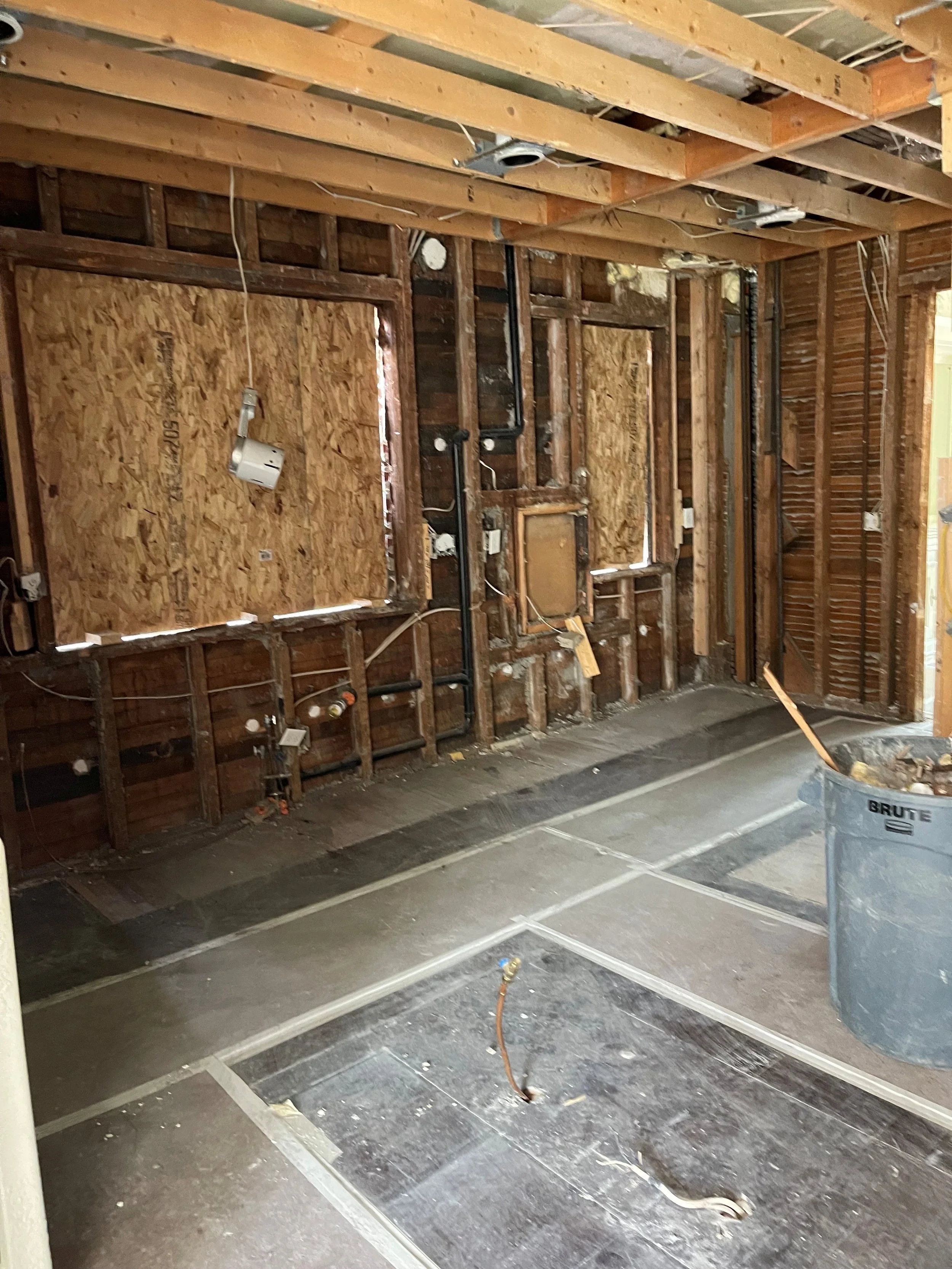
Renovations can be risky for artwork - especially with this kind of mess!
Why Renovations Are Risky for Artwork
Construction projects change the environment inside a home. Even when the work is limited to one area, dust and debris can travel through vents, hallways, staircases, and open doorways. Sanding, painting, demolition, flooring work, cabinetry installation, and HVAC updates can all affect nearby rooms.
Some of the most common renovation-related risks include:
Dust and debris that can settle on frames, canvas, paper, textiles, and delicate surfaces
Vibration from demolition, drilling, hammering, or equipment
Temperature and humidity fluctuations caused by open doors, unfinished walls, or HVAC interruptions
Paint, stain, adhesive, or cleaning fumes that may affect sensitive materials
Accidental impact from tools, ladders, furniture, or construction materials
Unplanned handling by workers, movers, or household members trying to “get things out of the way”
Security concerns when more people have access to the home
Artwork is often most vulnerable when it is moved quickly or without the right packing materials. A piece that has been safely installed for years can be damaged in minutes if it is leaned against a wall, stacked with other frames, exposed to moisture, or carried without proper support.
Why Moving Art to Another Room May Not Be Enough
A common renovation mistake is assuming that artwork can simply be moved into a bedroom, closet, basement, or garage until the work is finished. While that may seem convenient, it can introduce new risks.
Temporary storage spaces are rarely designed for fine art. Closets may be crowded. Basements may have humidity concerns. Garages can experience temperature swings. Spare rooms may still be affected by dust, workers, and shifting project timelines. Even if the art is out of the immediate construction zone, it may still be exposed to vibration, debris, or accidental contact.
For valuable, fragile, oversized, or sentimental pieces, professional removal and storage is often the safer choice. This is especially true when a renovation involves demolition, flooring, painting, plumbing, electrical work, or any project that affects the home’s climate control.
Which Pieces Should Be Removed First?
Not every object carries the same level of risk, but many types of artwork benefit from being removed before renovation begins. Priority should be given to pieces that are fragile, valuable, difficult to replace, or sensitive to environmental changes.
Consider removing:
Paintings on canvas or panel
Works on paper, including prints, drawings, and watercolors
Framed photographs
Textiles, fiber art, and tapestries
Sculptures and three-dimensional objects
Antiques and decorative objects
Mirrors and fragile frames
Works installed near fireplaces, windows, vents, or construction zones
Pieces with high financial, historical, or sentimental value
Large-scale works and unusually shaped objects may require special handling or custom packing. Even smaller pieces can be vulnerable if they are stacked, wrapped incorrectly, or stored in an unstable location.
Create a Pre-Renovation Art Plan
Artwork protection should be discussed before contractors arrive. Ideally, the collection is assessed and removed before demolition, sanding, painting, or heavy movement begins.
A good pre-renovation plan should include:
1. Walk through the space before work starts
Identify every piece of artwork, sculpture, framed object, antique, and decorative item that may be affected by the renovation. Remember to check hallways, stairwells, adjacent rooms, built-ins, and storage areas.
2. Document condition
Before anything is moved, photograph each piece. Capture the front, back, frame, corners, labels, installation hardware, and any existing condition issues. This documentation can be helpful for insurance records, collection management, and reinstallation.
3. Decide what needs professional handling
Some works may be simple to remove, but many require trained art handlers. Pieces that are heavy, oversized, fragile, high-value, or installed with specialized hardware should be handled by professionals.
4. Choose a safe storage solution
If the renovation will last more than a few days, consider storing the artwork in a secure, climate-controlled fine art storage facility. This helps protect the collection from dust, temperature changes, humidity shifts, and daily construction activity.
5. Coordinate timing with the renovation schedule
Renovation timelines often change. Build in extra time for packing, transportation, storage, and reinstallation. It is safer to keep artwork protected until the home is truly ready, rather than reinstalling too early and exposing it to lingering dust or fumes.
When Should Artwork Be Removed?
In most cases, artwork should be removed before the first phase of physical work begins. That means before demolition, sanding, painting, flooring, cabinetry, plumbing, electrical updates, or major furniture movement.
Artwork should also be removed before contractors begin staging materials or equipment in the home. Ladders, lumber, tools, drop cloths, and temporary workstations can quickly create hazards in areas that previously felt safe.
For larger renovations, removal may need to happen in phases. A professional art services team can help determine what should leave the home first, what can remain temporarily, and what requires special packing or crating.
Packing and Transportation Matter
Proper packing is one of the most important parts of protecting artwork during a renovation. Fine art should not be wrapped with household blankets, plastic wrap, newspaper, or generic moving supplies without considering the materials and surface of the piece.
Professional art packing may include archival materials, corner protection, travel frames, soft packing, custom crates, and object-specific supports. The goal is to prevent movement, abrasion, pressure, and environmental exposure during handling and transport.
Transportation is equally important. Artwork should be moved in a way that accounts for size, weight, fragility, weather, and route conditions. Professional art handlers are trained to move objects safely through doorways, elevators, stairwells, and loading areas while minimizing risk.
Why Climate-Controlled Storage Is Often the Best Option
Renovation projects can be unpredictable. What starts as a two-week project can turn into a month or more. During that time, a home may experience dust, open walls, changing temperatures, increased foot traffic, and reduced security.
Climate-controlled art storage provides a stable environment while the work is underway. Instead of shifting artwork from room to room as the project evolves, the collection can remain protected in a secure facility until the home is clean, stable, and ready.
This is especially useful for collectors, designers, estates, galleries, and homeowners managing multiple pieces at once. Professional storage can also make it easier to track inventory, plan reinstallation, and coordinate delivery once the renovation is complete.
When Is It Safe to Reinstall Artwork?
Artwork should not be reinstalled the moment construction crews leave. Before bringing pieces back into the home, make sure the space is ready.
Wait until:
Dust has been fully cleaned from floors, walls, vents, shelves, and surfaces
Paint, stain, adhesives, and finishes have cured
HVAC systems are running normally
Humidity and temperature have stabilized
Furniture and major fixtures are in place
Final contractor touch-ups are complete
Installation locations have been confirmed
Reinstallation is also an opportunity to rethink placement. New lighting, wall colors, furniture layouts, and room functions may change where artwork looks best and where it will be safest. Avoid placing sensitive works in direct sunlight, near heat sources, close to vents, or in areas with high moisture.
A Collector’s Renovation Checklist
Before the renovation begins:
Inventory artwork and objects in affected areas
Photograph each piece and note existing condition
Identify fragile, valuable, oversized, or high-priority works
Confirm insurance and appraisal documentation
Schedule professional removal, packing, and transportation
Arrange secure, climate-controlled storage if needed
Share art-related restrictions with contractors and designers
Plan for reinstallation after the space is clean and stable
During the renovation:
Keep artwork away from active construction zones
Avoid storing pieces in basements, garages, or crowded rooms
Do not stack framed works without proper protection
Monitor changes in schedule that may extend storage needs
Keep condition records and inventory information accessible
After the renovation:
Confirm that dust, fumes, and moisture concerns are resolved
Review new placement options
Use proper installation hardware
Update inventory records with new locations
Inspect each piece after reinstallation
Protect Your Collection Before the Work Begins
A renovation is an investment in your home. Your artwork deserves the same level of planning and care. By removing, documenting, packing, storing, and reinstalling pieces properly, collectors can avoid unnecessary damage and keep their collections safe throughout the project.
Artserve works with collectors, homeowners, designers, galleries, and institutions to manage artwork before, during, and after transitions. From professional packing and transportation to secure storage and reinstallation, our team can help protect your collection while your space is being transformed.
Planning a renovation? Contact Artserve before construction begins to create a safe plan for your artwork.